“Disabled” is not a dirty word. For many people in the disability community, it is an identity, not an insult. The real problem isn’t the word itself, but the stigma and fear society attaches to disability.
Key Takeaways
The most respectful language about disability is not about being politically correct, it’s about listening. Preferences vary, and the best practice is always to ask people how they identify and respect their choice.
Disabled is not a negative label. For many of us, it is an identity, and rejecting the word often reinforces stigma rather than reducing it.
When I was younger, I'd flinch when people called me disabled. I'd say, Hey, I'm a PERSON with a disability, claiming that person-first language, like a shield over my head.
I see now that my fear was probably not about the word itself, but more the stigma and the shame that was attached to it. Many of us are taught to avoid the word disabled, seeing it as a negative, a label describing someone by what they cannot do. But what if we got it all wrong?
Today I want to talk about the language we use. Not to give you another set of politically correct terms but to help us stop treating the word disabled as a dirty word.
The goal is to embrace it as a normal part of human life.
If you haven't experienced disability yet, you will one day as a result of an illness, an accident, or just natural aging, if you live long enough. This is a normal part of life. There's no escaping it. So it's important that we have honest conversations about it.
Disabled and Person. Before or After: which goes first?
The person first language, like “person with a disability”, was created with a beautiful intention to emphasize the person before the condition, but many of us in the disability community, including myself, don't see that disability is something that we wear, like a bag or a shirt. We are now reclaiming and preferring the words disabled and even Crip, like a cultural identity that becomes part of us, in a way.
Disability did not only bring some limitations, but also gifts and aptitudes and outlooks that we would not have had without it. They're part of our strengths. They coexist and we're proud of it.
The most important takeaway is that the preference for terms differs from one person to another. So it's always best to ask: how do you like to refer to your disability? Not only is this very respectful, but it's giving them the space to show you how they see themselves, and then great relationships start from there.
What disability-related words should we stop using?
But there are outdated terms that we should stop using. Like handicapped, differently able, or special needs. (Special needs? Come on; what is that?) I think these words come from a place of pity or a desire to sugarcoat things to make sure that we keep the experience of disability far from us because we're uncomfortable.
But remember: one day it's gonna be your experience too, so might as well get comfortable now.
Why using clear language about disability matters
When we use clear words about disability, we have good conversations, we advocate for what we need, and we get it. We can even prepare as a society to make sure that the installations we need will be there when it's our turn. There's nothing shameful in that.
The core issue is not the vocabulary; it's the fear and the stigma associated with the concept of disability itself.
My own journey from being afraid of the terms to embracing them was quite transformative. It's easier for me to advocate for myself to get what I need. And also to be a great coach for fellow disabled people, as we look at how we perceive our disability and what we can do to harness its best potential for our present and future lives.
Frequently asked questions about accepting a disability
Is “disabled” a bad word?
No. “Disabled” is not inherently negative. The discomfort comes from stigma, not the word itself.
Why do some disabled people reject person-first language?
Because disability they don't see disability as something separate from them; it is part of their identity and lived experience.
What is person-first language?
Person-first language uses phrases like “person with a disability” to emphasize the person before the condition.
What is identity-first language?
Identity-first language uses terms like “disabled person” to reflect disability as an integral part of identity and culture.
Which language is more respectful?
There is no single correct answer. Respect comes from asking individuals how they prefer to identify.
Why are terms like “special needs” or “differently abled” problematic?
They often come from discomfort or pity and can minimize or obscure the real experience of disability.
Does avoiding the word “disabled” reduce stigma?
No. Avoidance can reinforce the idea that disability is something shameful or unspeakable.
Is disability only about limitations?
No. Disability can also bring strengths, insights, and perspectives that shape how people engage with the world.
Will most people experience disability at some point?
Yes. Through aging, illness, or injury, disability is a common part of the human experience.
What is the best way to talk about disability respectfully?
Use clear language, avoid euphemisms, and ask people how they want to be identified.
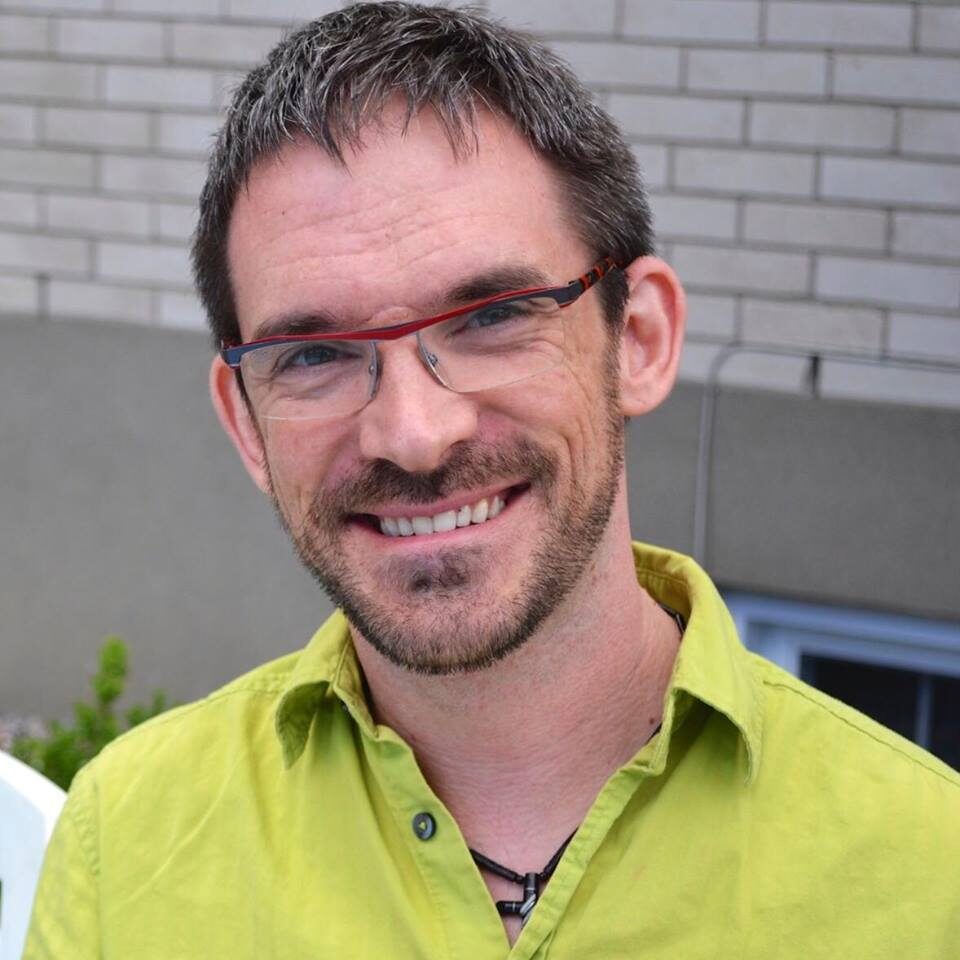
Etienne LeSage