
Accepting a disability is the last thing you want to do when you learn it will be permanent.
Disability Acceptance is a skill you practice, and it gets easier with time.
Key Takeaways
- Disability Acceptance is a process, not a one-time milestone. Progress grows with practice.
- The Disability Acceptance Scale outlines nine statements to help you self-assess your mindset.
- Research supports acceptance as a strong predictor of well-being after major change.
- You do not need to accept every statement to move forward with meaning.
- You can reframe hard thoughts, set realistic supports, and still pursue your goals.
Daily Challenges of Living with Disability
I was diagnosed with cerebral palsy 40 years ago. It gave me decades of experience living with disability. I wish it had also provided a quick path to overcoming it once and for all, but it doesn’t work that way.
There’s no quick solution; there’s only a way through, but it is a good one: Acceptance. It’s not something we achieve only once. Life still happens after we accept our disability; it keeps bringing frustrations, challenges and successes.
Like me, you might have some of those days when:
- We throw our hands up in the air, telling our body, “Why don’t you just do as I tell you. I’m the boss here! - Well, I should be."
- We are anxious to run errands or accept an invitation to go to a new place when you don't know if it is accessible, including the bathroom.
- We wish we could travel alone and get dressed without help in the morning.
- We lose patience with the stares of others because we move differently.
My life isn’t hell, it’s a good one, but some days, the irritants can stack up, draining me emotionally and physically. Though I could argue about unfairness forever, it wouldn’t change reality. Instead of escaping a disability, we learn how capable we can be despite our differences. I’m working on managing frustration, a valuable skill for anyone who values good relationships.
We can’t wish, pray away, or manifest the end of daily frustrations caused by a disability. We work on acceptance because we care about our mental health and giving ourselves a chance to be happier. The more we work on acceptance, the quicker we overcome our frustrations and reach the better part.
The science behind accepting a disability
Since the late 2010s, researchers have found that accepting and adapting to a disability is crucial for successful recovery and maintaining a fulfilling life after significant change.
Accepting a disability relies on a person's willingness to expand their values and perspectives, allowing them to see success and wholeness despite their disability. The Disability Acceptance Scale, developed by Linkowski in 1971 (https://doi.org/10.1037/t15375-000)1 and later evaluated by Kaiser et al. (https://doi.org/ 10.1037/h0091558)2 in 1987, includes nine statements that measure an individual’s acceptance of their disability.
In a relatively recent study in South Korea (2019), Eun-Young Park (https://doi.org/10.3389/fneur.2019.01260.)3 asked 84 persons living with cerebral palsy of various ages and demographics to rate their level of acceptance of those statements. As a result, she suggested that #7 should be excluded as the majority of participants (more than 54%) found it too difficult to accept. I see in it a sobering, persistent effect of society’s ableist pressure despite efforts to promote diversity.
I don’t believe we need to fully accept every statement about disability to move forward positively. It's helpful to challenge and reframe our thoughts for personal growth.
The 9 Disability Acceptance Scale Statements
On the spectrum of easy to very hard, how difficult is it for you to consider and accept the following statements about your disability?
- I feel satisfied with my abilities, and my disability doesn’t bother me too much.
- Though I am disabled, my life is full.
- It makes me feel very bad to see all the things non-disabled people can do which I cannot.
- My disability, in itself, affects me more than any other characteristic about me.
- Because of my disability, I am unable to enjoy social relationships as much as I could if I were not disabled.
- My disability causes me to think differently about everything.
- How a person conducts themselves in life is far more important than their physical appearance and abilities.
- Personal characteristics, such as honesty and a willingness to work hard, are much more important than physical ability.
- There are many more important things in life than physical appearance.
Self-awareness reveals your power with disabilities.
- Where do you position your thinking based on these statements?
- Do they reflect your values or an internalized judgment?
- Does this judgment benefit you?
- How can you reframe it more positively?
Turning toward accepting a disability: Reframing my thinking
I mentioned some daily challenges at the beginning of this post. On better days, after taking care of myself, I can approach these challenges differently. While I may need help from others and technology, I can still set and achieve goals. Independence is a myth—everyone is hard-wired for interdependence, whether they have a disability or not.
When the day is tough, I prioritize self-care. Many people wait until burnout to seek rest, but my experience with disability has made me more proactive. I can plan ahead for inaccessible places by reaching out to inquire about their accessibility and deciding to take my efforts elsewhere if needed.
I have personal support workers who help me dress every morning, funded by my Canadian taxes. While it can be frustrating not knowing their exact arrival time, I schedule my appointments for after noon, allowing me to be ready to help others in return.
If I think someone is judging me while looking at me, I remind myself they may not be thinking about me at all. I actively break the ice by being friendly, showing others I’m genuinely interested in them.
My enthusiasm is a strength, and I believe that our talents remain intact regardless of disability. We can use our passions to connect with others and reaffirm our roles as heroes in our own stories. It all starts by accepting it.
Ready to work on how to accept a disability?
Click here to download 7 free tips to build a positive relationship with your disability
Frequently asked questions about accepting a disability
What does “accepting a disability” mean?
Acceptance means acknowledging your disability and building a life that fits your values. It does not mean liking your limitations. It means choosing habits, supports, and goals that help you live well.
What is the Disability Acceptance Scale?
The Disability Acceptance Scale, created by Linkowski in 1971, uses nine statements to gauge acceptance. Readers reflect on each statement and rate how easy or hard it feels to accept. It is a guide for self-awareness, not a diagnosis.
Do I need to agree with all nine statements?
No. You do not need full agreement to grow. The article encourages reflection and reframing. Park’s 2019 study suggested removing statement #7 because many participants found it too hard to accept. Growth still happens without full agreement.
How can I use the nine statements in daily life?
Read each statement and note what feels easy or hard. Ask if your reaction reflects your values or outside judgment. If a thought does not serve you, reframe it. Then plan one small action, such as asking about accessibility before a visit.
What does research say about disability acceptance?
Studies since the late 2010s link acceptance and adaptation with better long-term outcomes. Linkowski’s 1971 scale helps measure acceptance. Park’s 2019 analysis with people who have cerebral palsy informed updates to the scale. The takeaway is clear: acceptance supports mental health and daily function.
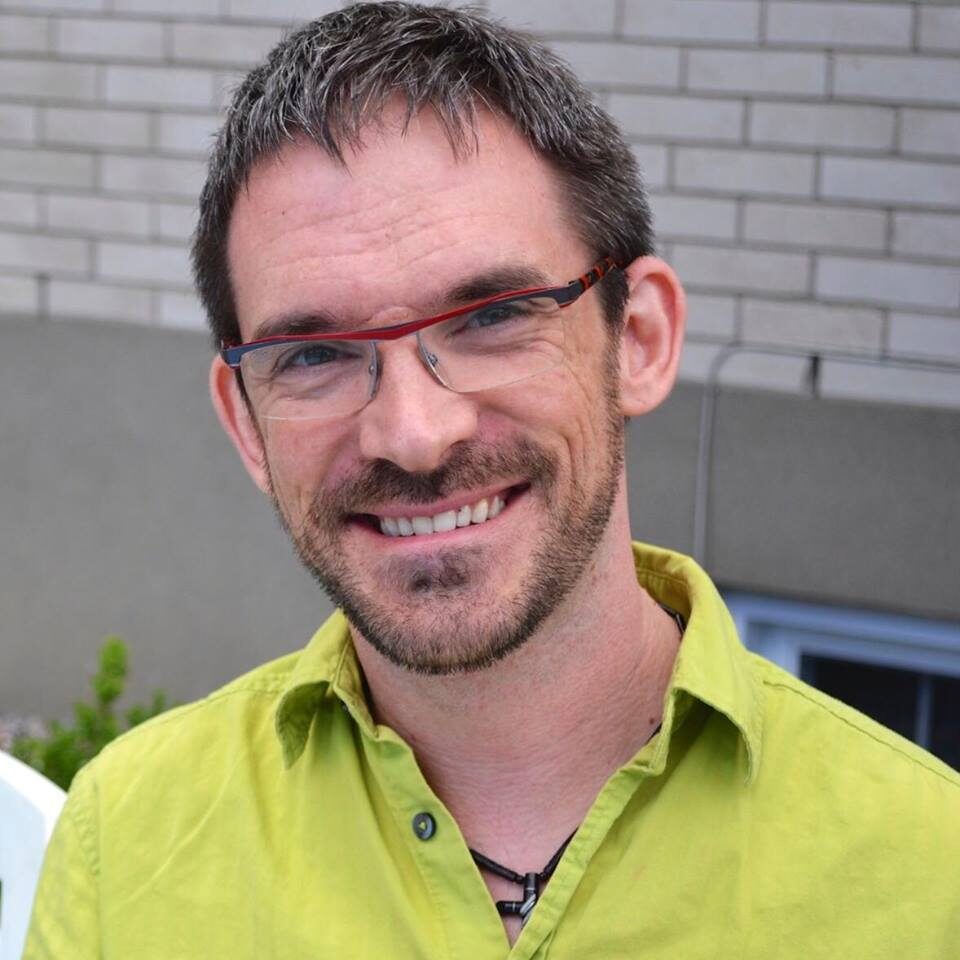
Etienne LeSage
- Linkowski DC. A scale to measure acceptance of disability. Rehabil Couns Bull. (1971) 14:236–44. https://doi.org/10.1037/t15375-000
- Rasch Analysis of the Disability Acceptance Scale for Individuals With Cerebral Palsy,Kaiser SB, Wingate SB, Freeman CM, Chandler JL. Acceptance of physical disability and attitudes toward personal appearance. Rehabil Psychol. (1987) 32:51–8. doi:10.1037 https://doi.org/ 10.1037/h0091558
- Park, Eun-Young. “Rasch Analysis of the Disability Acceptance Scale for Individuals with Cerebral Palsy.” Frontiers in Neurology 10 (2019). https://doi.org/10.3389/fneur.2019.01260.